
If you run a restaurant in Montreal, a botched refrigeration move can cost you three days of closure, a 4,000 to 8,000 dollar compressor replacement, and the customers who tried the place across the street and never came back. That is not a hypothetical. We have walked into kitchens the morning after a bad move and watched owners stand in front of a dead walk-in cooler, calculating what the next 72 hours are going to cost them.
Most general moving companies in Montreal will quote a commercial refrigerator job and figure it out on the day. The figuring-out is where the damage happens. Walk-in freezers and industrial refrigerators are not just heavy. The compressor inside hates being tilted past 30 degrees. The coolant lines bend if you look at them wrong. The warranty on most commercial units voids the moment a non-certified moving team touches the equipment. None of this was in the brochure your old moving company handed you.
We run a separate process for every refrigeration relocation, and the crew assigned is one that has done it before. This article is the one we wish someone had handed us when we started moving commercial refrigeration ourselves.
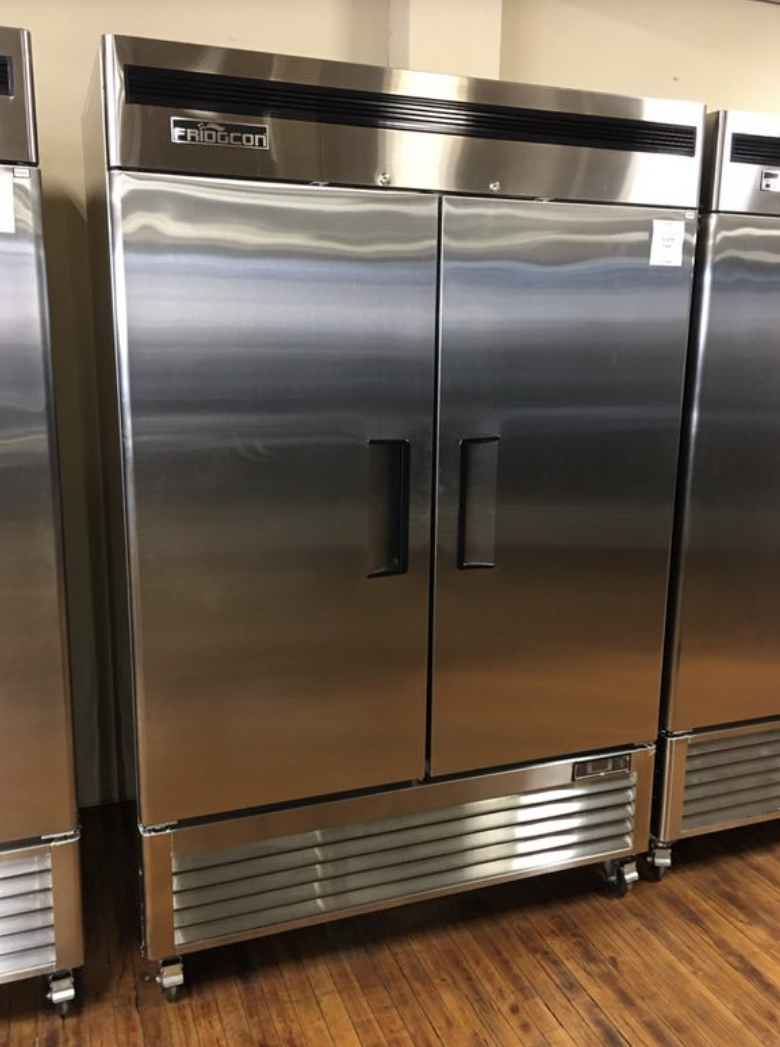
Choosing Professional Walk-In Cooler Movers in Montreal
When it is time for a commercial refrigerator relocation, hiring a moving company with refrigeration-specific experience is non-negotiable. A general residential crew can move a couch and a fridge for a 4½ apartment. They cannot move a walk-in cooler, a glycol chiller, or a 1,200 pound display case without making the kind of mistake that ends with a service call and a closed kitchen. Specialized movers know what large appliances need, and they bring the right equipment to back it up.
What to Look for When Selecting Commercial Refrigeration Specialists
The right moving team for a commercial fridge job is not the cheapest one. It is the one that has done the job before, on equipment like yours, and can prove it. Here is what to check before you sign anything:
- Specialized experience: Ask how many walk-in coolers and reach-ins they moved last year. If they hesitate, keep looking.
- Proper insurance: Commercial refrigeration is valuable equipment. The mover’s coverage should match what your unit costs to replace, not what a couch costs.
- Upfront pricing with no hidden fees: A real refrigeration mover will quote you in writing after a site assessment. If the pricing is “we will figure it out on the day,” walk away.
- The right tools: An appliance dolly rated for the weight. Lifting straps. Moving blankets. Panel removal tools for built-on-site walk-ins. An air-ride truck for long distances.
- Customer service that returns calls: The first phone call tells you what the project will feel like. If they take three days to call back, the move will run the same way.
Advantages of Hiring Experienced Movers for Minimal Downtime
Time is money in food service. Every hour your kitchen is offline is an hour of revenue you are not earning, on top of the inventory sitting in a warm walk-in waiting to spoil. Professional movers who specialize in refrigeration plan around your downtime, not around their own schedule. They run careful planning sessions before the move, do site assessments at both the current location and the new location, and bring crews who know what every minute costs you.
The other advantage is peace of mind. When the moving company has done this 200 times, you do not spend the night before the move wondering if your compressor is going to survive. You sleep, they show up, the unit gets moved, and you open for service the next day.
Preparing Your Commercial Refrigerator for Safe Transport
Proper preparation is the difference between a smooth move and a service call. Most of the things that go wrong on a refrigeration move are preventable, but only if the work happens before the truck shows up. Skip the prep and you are gambling on leaks, mold, internal damage to the cooling system, or structural damage to the floors and walls along the way.
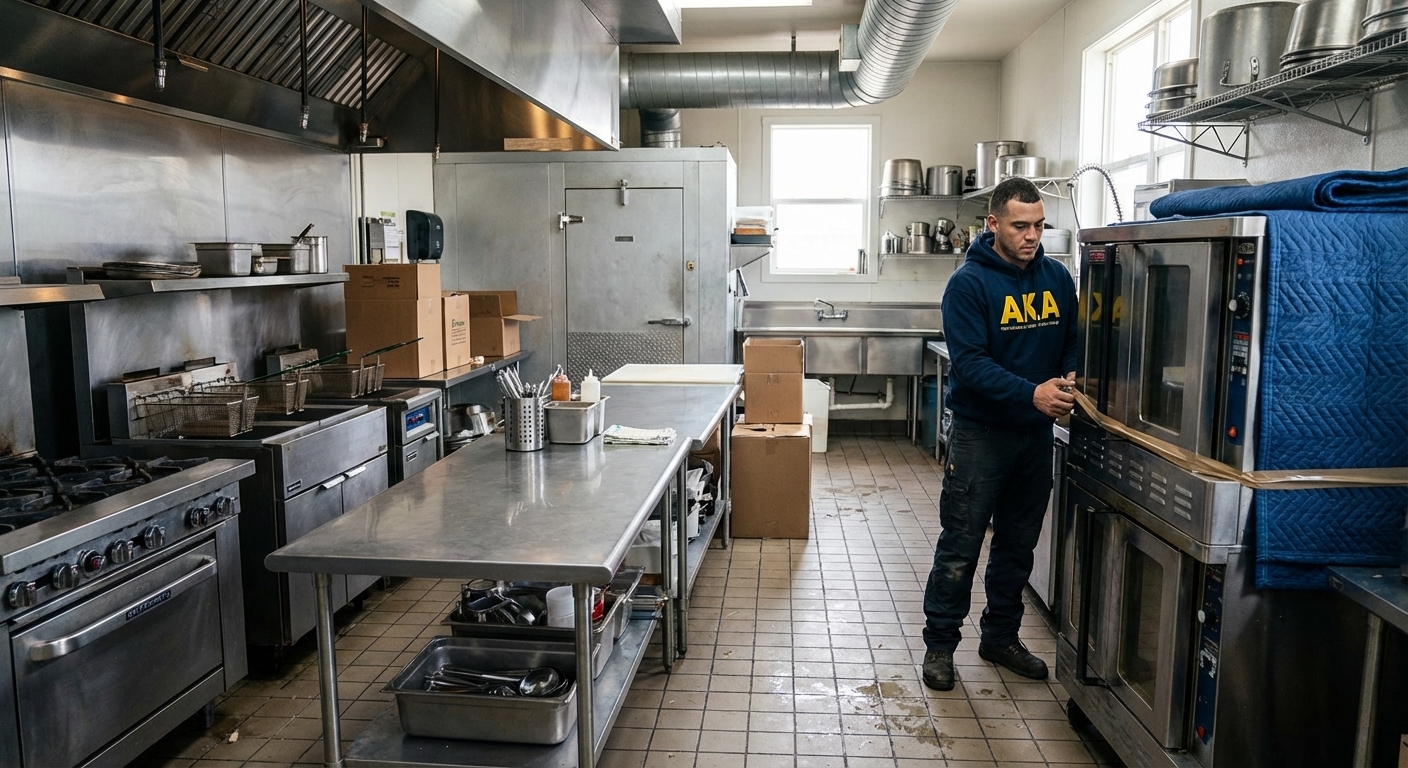
Defrosting, Cleaning, and Securing Components Prior to the Move
Empty the unit first. Then unplug it 24 to 48 hours before move day so the defrost cycle has time to finish completely. Skip this step and you get water leaking out of the unit during transit, which damages the truck floor, the unit itself, and anything else loaded near it. Place absorbent towels around the base while it defrosts to catch the runoff.
Once the unit is dry, clean the interior with a food-safe sanitizer and let it air out with the doors propped open. A sealed-up wet fridge grows mold during transit. We have opened reach-ins at the new location and found black spots on the interior walls because someone closed the door immediately after cleaning.
Secure every loose part. Remove the shelves, drawers, and any internal accessories. Wrap them individually in moving blankets or bubble wrap. Label each piece so the moving team knows where it goes during reassembly. Loose shelves rattling around inside a freezer during a 30 minute drive will dent the interior walls and break themselves.
Handling Shelves, Doors, and Electrical Connections
The doors are the most fragile part of a commercial refrigerator. Tape them shut or use straps that will not damage the finish. If the unit needs to fit through a tight space, the doors may need to come off entirely. Keep the hinge hardware in a labeled bag and note the orientation so reassembly takes minutes, not hours.
Electrical connections come last, and they should always be handled by someone licensed. Unplug the unit from the power source before anything else moves. If there are refrigerant lines or water lines connected to the cooling system, a refrigeration technician needs to do the disconnect, not the moving crew. Same thing at the new location: the mover sets the unit in place, the technician handles the reconnect. Keep those two roles separate and you stay inside the warranty.
Essential Equipment and Tools for Moving Commercial Refrigerators
Moving a heavy commercial fridge or freezer with the wrong tools is how people get hurt and how appliances get destroyed. A two-person residential crew with a flatbed dolly is not going to move a 900 pound walk-in panel without something going wrong. Here is what a real refrigeration mover brings to the job, and why each item matters.
| Equipment | Purpose | Why It Matters |
|---|---|---|
| Appliance dolly (rated) | Bears the full weight of the unit on wheels. | Prevents proper lifting injuries and keeps the unit moving in a controlled line. |
| Lifting straps | Two crew members share the load with their legs, not their backs. | Reduces the risk of dropping the unit during loading. |
| Moving blankets | Pad the exterior to protect the finish. | Prevents dents, scratches, and cosmetic damage in tight corridors. |
| Safety straps in the truck | Hold the unit upright and stationary during transit. | The unit cannot tip past 30 degrees or the compressor oil migrates into the cooling system. |
| Plywood sheets and floor runners | Protect floors during loading and unloading. | Prevents structural damage to tile, hardwood, and finished concrete. |
| Foam corner guards | Cushion door frames and wall corners along the route. | Prevents dents and dings on the building, not just the appliance. |
Most general moving companies own maybe two of the items on that list. A specialist owns all of them and has them on the truck before the assessment is even done.
Industries We Serve in Montreal
Commercial refrigeration moves happen in more places than people think. The ones we see most often:
- Restaurants and bars: kitchen refrigeration, walk-in coolers, draft beer systems with glycol chillers
- Grocery stores and dépanneurs: display cases, reach-ins, frozen aisles
- Bakeries and patisseries: blast chillers, dough retarders, display cases
- Pharmacies: temperature-controlled medication storage
- Food distribution warehouses: bulk refrigeration, blast freezers
- Hospitals and medical clinics: lab refrigerators, vaccine storage
- Brewery and winery operations: glycol chillers, cellar coolers
- Cannabis cultivation facilities: climate control units
Each of these has different priorities. A pharmacy is mostly worried about the temperature log staying intact. A restaurant cares about being open for service the next day. A grocery store worries about inventory loss. We adjust the move plan for what matters to your specific operation.

What a Refrigeration Move Actually Costs
Refrigeration moves are quoted individually after a site assessment. The factors that drive pricing are the number and type of units, the distance between the current location and the new location, whether disassembly is required, the specialized equipment needed, and whether we coordinate with your refrigeration technician or use one of ours.
A single reach-in unit moved within Montreal usually runs in the 400 to 800 dollar range. A walk-in cooler with full disassembly and reassembly at the new location can run 2,500 to 6,000 depending on size and width. Multi-unit commercial kitchens are quoted as a project. We give you the number in writing before we start, and there are no hidden fees buried in the contract. Upfront pricing is the only kind we do.
Frequently Asked Questions
Can you move a commercial refrigerator without shutting it down completely?
No, you must shut down and unplug your commercial refrigerator before the moving process starts. This is essential to protect the cooling system and let the compressor oil settle. Attempting to move a running unit risks severe internal damage and is unsafe for the moving team. Plan for the necessary downtime: 24 to 48 hours of defrosting before the move, and 24 hours of upright settling after the unit reaches the new location before power is reconnected.
What are common risks and insurance options for moving commercial refrigeration units?
The common risks are appliance damage like dents and scratches on the exterior, more severe internal damage to the cooling system from tilting past 30 degrees, refrigerant leaks from bent lines, and structural damage to the floors and walls of the buildings on either side of the move. Reputable movers carry commercial insurance that covers your refrigerator against all of these. Always ask for proof of coverage and confirm the policy limit matches what your unit would cost to replace, not what a residential appliance costs.
How long does commercial refrigeration moving typically take within a Canadian city?
A straightforward single-unit move within Montreal can be completed in a few hours, plus the 24 hour upright settling period before power is reconnected. The total downtime for most restaurants is one overnight if the move is scheduled after closing. A built-on-site walk-in cooler with full disassembly and reassembly takes longer: budget one full day at the current location, transport, and one full day at the new location for the rebuild. Distance and building access (loading docks, freight elevators, tight corridors) are the two factors that change the timeline most.
Get a refrigeration move quote before your move date locks in
The earliest call is the cheapest call. Refrigeration moves planned a week or two ahead cost less, run smoother, and protect equipment that is too expensive to replace because someone rushed the job. Last-minute moves are possible but they cost more, and they are the moves that leave something behind.
If you operate a restaurant, grocery store, pharmacy, or food warehouse with commercial refrigeration on the line, the question is not whether you can afford a proper move. The question is whether you can afford the repair bill and the closure days that come from a bad one. We handle the complexity so you do not have to think about compressor angles or warranty fine print.
Call AKA Moving at (514) 915-3967 for a refrigeration move quote, or visit our commercial moving services in Montreal page. Restaurant owners may also want to read our guide on restaurant relocation.